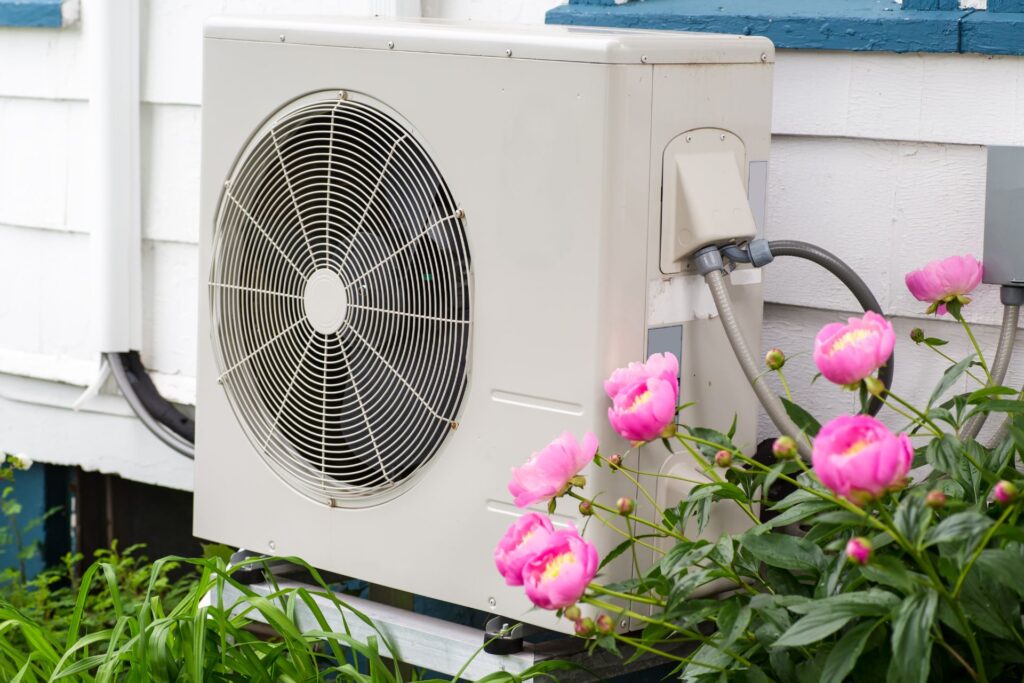
It’s no secret that energy costs have increased here in the UK, leaving many of us wondering how we can heat our homes for less. One possible option is a heat pump, but you may be wondering if heat pumps actually save money.
Heat pumps work by moving heat from outside to inside your home during winter, and the opposite in summer – sort of like a fridge, but for your whole house.
One important fact is that air-source heat pumps can be cheaper to run than traditional heating systems powered by gas or electric furnaces. So let’s look at how swapping to this system might not just save money on your utility bills but also make your home greener.
Upfront Costs vs. Long-Term Savings
When considering heat pump cost efficiency, you need to think about the initial installation and purchase expenses versus the potential energy bill savings over time. Factors such as home insulation quality, climate variations and government incentives can significantly influence the cost-effectiveness of heat pumps.
Initial installation
Fitting a new heat pump in a four-bedroom house costs about £11,000. Experts say these prices could drop by 20-25% by 2030. This makes getting a heat pump more appealing for many homeowners. They can be great for both heating and cooling your space. They work well even when it’s very cold, down to -15°C. But they need room outside and do best in sunny spots. With the Domestic Renewable Heat Incentive, you might get back some money over seven years.
Potential savings on energy bills
So how heat pumps can decrease your energy expenditure in the long run? Heat pumps are less expensive to operate than conventional heating systems like gas boilers.
For instance, homeowners who use their air-source heat pumps with the Cosy Octopus tariff report around £220 annual savings compared to those who depend on gas boilers for heat. If you cease using gas and shift entirely to electrical usage, you could bypass about £115 yearly in standing charges that gas services impose.
Furthermore, eliminating environmental levies on your electricity bill could reduce another £199 annually. Those who opted for the Cosy Octopus scheme reported a 20% reduction in their electricity costs relative to the Flexible Octopus rate.
If you live in a medium-sized home in the UK and transition to this efficient heating solution with Cosy Octopus, you can anticipate saving around £220 more per annum than relying on fossil fuels for heat.
This illustrates that transferring heat rather than generating it from scratch by burning natural gas or oil is beneficial for both the planet and your financial health over a period.
Factors Influencing Cost-Effectiveness
Home insulation quality
Good insulation is key for heat pump efficiency. It helps lower energy bills and makes homes more comfortable. A well-insulated house reaches the best efficiency with a heat pump system. But you don’t need to improve insulation just to install one of these pumps.
For houses struggling with high heating costs, better insulation can make a big difference. Simple steps like draught proofing are cost-effective ways to enhance home comfort and performance of your heating system.
Climate and seasonal temperature variations
Heat pumps show a range of efficiency depending on the outside air temperature and time of year. They work well down to -15°C, making them suitable for many climates. In winter, when temperatures drop, their Coefficient of Performance (COP) can still hit between 2 and 3 at these low temperatures.
This means they manage to keep houses warm even during cold snaps.
The design of a heat pump also impacts how efficiently it operates across different seasons. Selecting the right heat pump that fits your home’s needs is crucial for maximising energy savings throughout the year.
Reduced flow temperatures may cause longer heating times in winter but choosing models designed for colder climates can help maintain comfort and efficiency.
Government Incentives and Financial Assistance
The government provides tax credits and subsidies to encourage the use of energy-efficient alternatives aimed at reducing carbon emissions. Various entities, such as federal laws and local incentives, can help homeowners offset the initial costs of heat pump installation.
Available tax credits and subsidies
Governments provide tax credits and incentives to assist with the expense of heat pump installations. In England and Wales, homeowners may get up to £7,500 via the Boiler Upgrade Scheme.
In Scotland, homeowners might qualify for £7,500 to £9,000. A provision for insulation funding is available through NI Energy Advice in Northern Ireland. Beyond these local incentives, a nationwide tax credit is available which covers 30% up to £2,000 of both the heat pump cost and installation.
These financial support schemes are meant to simplify the transition from traditional heating systems like gas furnaces or electric baseboard heaters for households. Such a change contributes to the reduction of carbon emissions and decrease in energy bills over time.
Shifting to more efficient home heating systems is also aligned with the government’s plans to adjust electricity and gas prices. Subsequently, we will examine the impact of these incentives on the median homeowner’s choice regarding new heating installations.
You can find out more about these incentives here.
Conclusion
Heat pumps save money and protect the planet. The upfront cost pays off with lower energy bills over time. Good home insulation and the right climate make them more effective. Tax credits cut initial costs further.
Switching to a heat pump could shave much off your yearly expenses. Why not explore this eco-friendly option for your heating needs?
FAQs
1. What exactly is a heat pump and how does it work?
Heat pumps, such as cold-climate heat pumps or geothermal heat pumps, are systems that move heat from one place to another. They can provide warm air in winter and act as an air conditioning system during the summer months.
2. Can using a heat pump really reduce my energy bills?
Yes, due to their high energy efficiency compared with traditional HVAC systems, today’s heat pumps can significantly cut down on monthly energy bills for the average homeowner.
3. Are there different types of heat pumps suitable for various climates and homes?
Indeed, there are several kinds of heat pumps including ductless ones and ASHP systems which cater to your home’s needs depending on its size and climate zone you live in.
4. How much money could I save by installing a heat pump?
The cost savings depend on various factors like electricity prices, size of your home and local climate among others but studies from Lawrence Berkeley National Laboratory suggest significant potential savings.
5. Is using a Heat Pump environmentally friendly?
Absolutely! Heat Pumps help reduce carbon footprint by minimising reliance on fuel oil for space heating or hot water production thus contributing towards home electrification.