Buying a house can feel like a dream come true. But, for many in the UK, understanding what “leasehold properties” means is confusing. You might find yourself asking: What does owning a leasehold property actually involve?
One key fact to know is that owning a leasehold home means you own the property but not the land it sits on. This situation can bring unexpected costs and rules. Let’s find out more.
- Defining Leasehold and Freehold
- Key Differences Between Leasehold and Freehold Properties
- Challenges Faced by Leaseholders
- Extending a Leasehold
- Buying the Freehold on a Leasehold Property
- Conclusion
- FAQs
- 1. What is a leasehold property in the UK?
- 2. How long can leases be on these types of properties?
- 3. Are there any extra costs involved with leasehold houses?
- 4. Can I extend my existing lease if it’s running out?
- 5. Is it possible to buy out my share of freehold?
- 6.What should first-time buyers know about purchasing leaseholds?
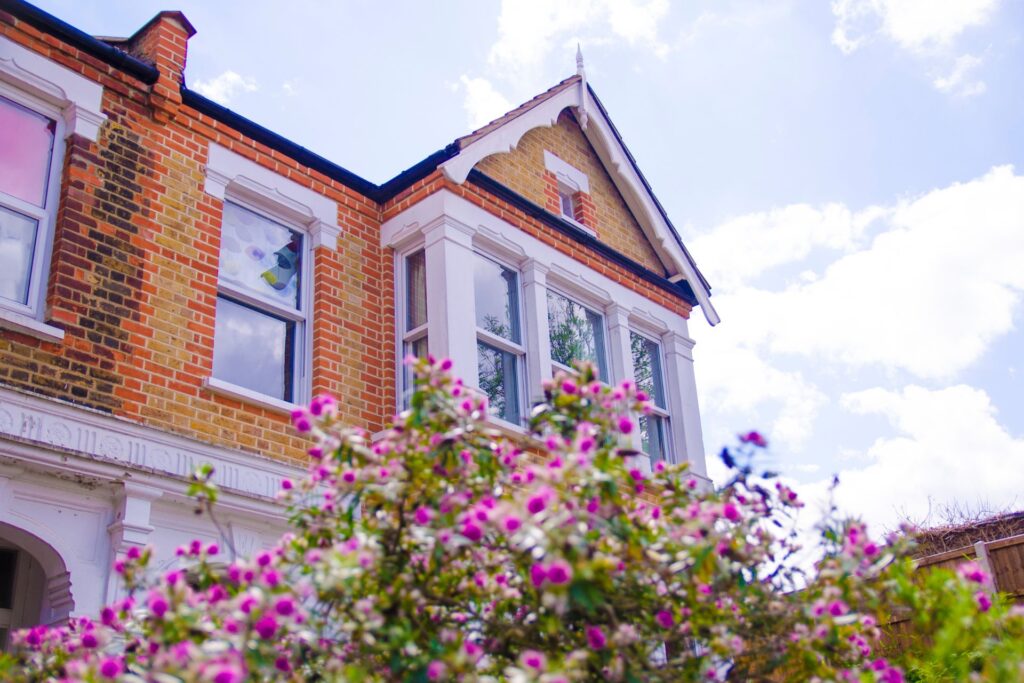
Defining Leasehold and Freehold
Leasehold refers to holding property on lease for a specific period, whereas freehold denotes absolute ownership of the property and land it’s built on. Leasehold essentially means having the right to occupy a property for an agreed number of years without owning the land it stands on, contrasting with freehold which grants full rights and control over both building and land.
What is Leasehold?
A leasehold means you own a property for a set period. This time can be 99 to 125 years or even as long as 999 years. You don’t own the land it stands on. The ownership goes back to the freeholder when your term ends.
Flats and apartments often come under this type of ownership. Recently, more houses are being sold as leaseholds too.
Scotland stopped using this system in 2004 due to changes in law. If you have a flat, chances are it’s on a leasehold basis. This way, owning places with shared spaces, like blocks of flats, becomes easier to manage for everyone involved.
What is Freehold?
Freehold ownership means you own the house and the land it stands on forever. Owners of freehold properties have no time limit on their ownership. They can sell their homes easily and make changes without asking for someone else’s permission.
These owners are in complete charge of their property. This includes looking after everything, from the roof to the garden.
People with a freehold don’t have to pay ground rent or service charges, costs often found in leasehold agreements. They also avoid dealing with a management company or landlord over repairs or improvements.
Instead, they directly manage all aspects of maintenance and care for their home, ensuring it stays in good order for years to come.
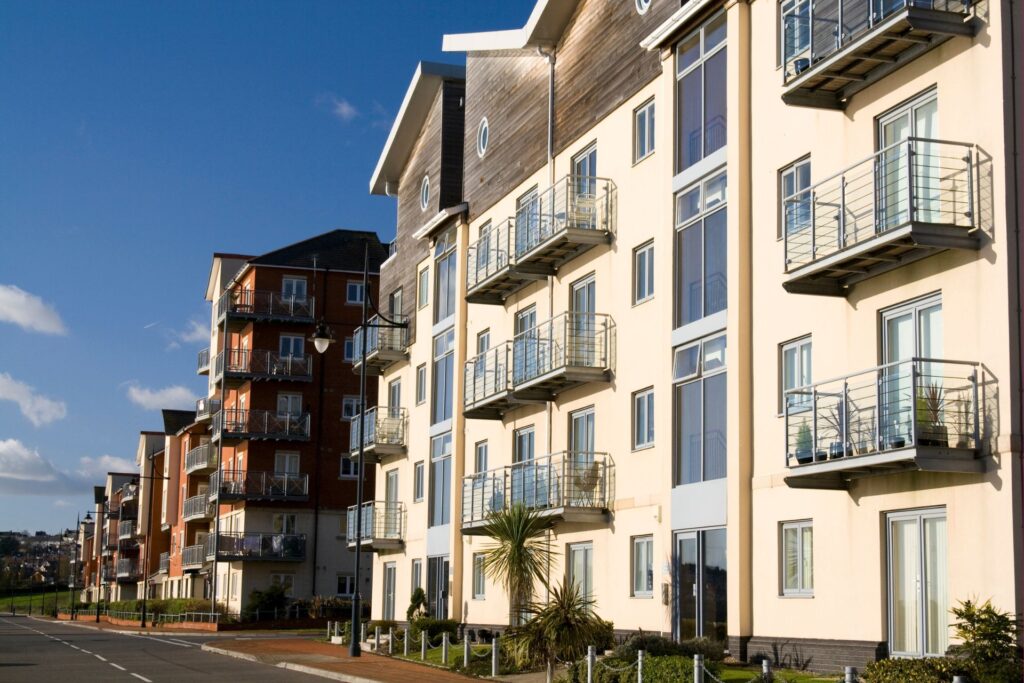
Key Differences Between Leasehold and Freehold Properties
Ownership Duration
Ownership duration in leasehold properties varies. It can last from 99 to 999 years. But homes lose value with a short lease. If a lease falls below 80 years, getting a mortgage becomes harder, it’s also harder to sell.
Control Over Property
Freehold property owners hold the reins tightly on their properties. They can decide to make alterations without asking for permission. This freedom lets them tweak their homes or land as they see fit, from minor decorations to major structural changes (subject to planning permission).
Leasehold homeowners face more hurdles in this area. They must get the freeholder’s consent for many changes, especially big ones like structural alterations. Restrictions can even extend to owning pets or changing floor types within leasehold flats.
These constraints stem from terms laid out in the lease agreement, ensuring that any modifications align with the freeholder’s guidelines and regulations concerning common areas and the building’s structure.
Challenges Faced by Leaseholders
Leaseholders are faced with challenges such as managing service charges, dealing with ground rent, and adhering to property restrictions. These issues often require legal advice and careful consideration.
Service Charges
Service charges help to maintain shared spaces in a block of flats. This includes gardens, hallways, and other communal areas. These fees can vary each year. Owners of leasehold properties often find these costs high and not very clear. It’s not uncommon for these to increase dramatically. Some service charges can run into the thousands depending on the property and area.
Ground Rent
Ground rent is a yearly fee leaseholders pay to own their homes on someone else’s land. Some landlords set this fee at a small amount, known as peppercorn rent.
Yet, others may charge more and increase it over time. For example, an initial £500 ground rent could shoot up to £16,000 by 2069 if it doubles every decade.
Surprisingly, nearly half of those with a lease did not know their ground rent might go up. Such increases can make getting or changing a mortgage hard if the ground rent is more than 0.1% of the home’s value or above £250.
Restrictions and Covenants
These terms of your lease can significantly impact how you use your property.
Restrictions often limit changes you might want to make, such as adding a pet to your family or making structural alterations. You’ll need the freeholder’s permission for these activities.
If you don’t get this approval, you could face legal action.
Covenants are another key aspect to consider. Positive covenants require action from the freeholder, like keeping up the exterior of the property. Failing to comply with these rules can lead landlords to take leaseholders to court, especially if ground rent or service charges remain unpaid.
It’s essential for flat owners and those with long leases on houses to understand these constraints fully since they affect both living conditions and potential modifications to their homes.
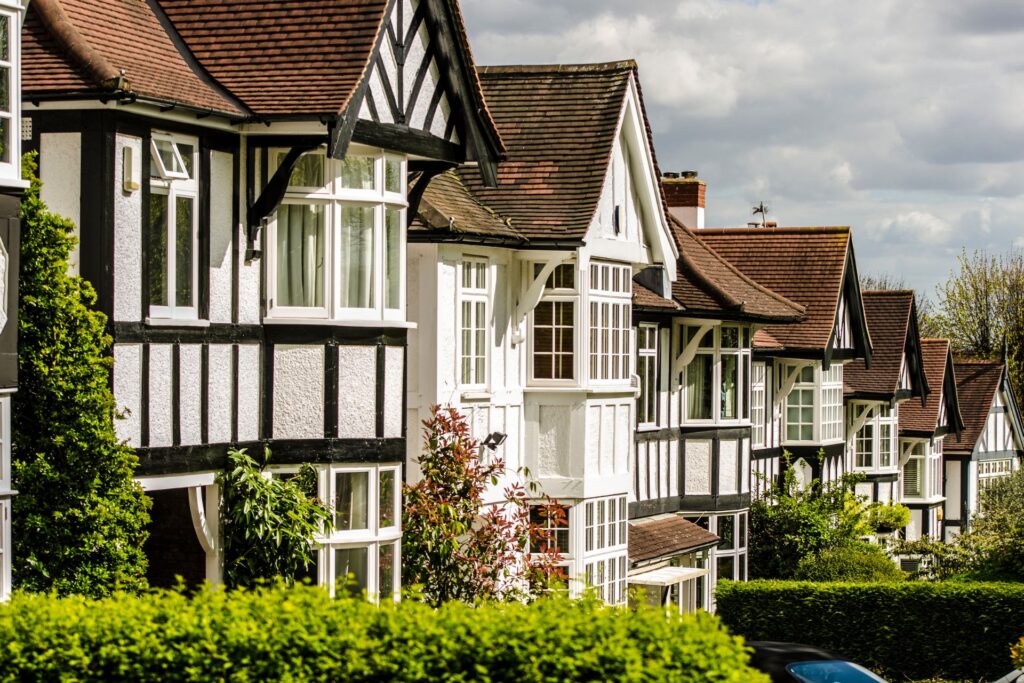
Extending a Leasehold
Extending the Lease on a Flat
Extending the lease on a flat can provide leaseholders with added security and potentially increase the value of their property. Here are essential points to consider when extending a lease on a flat:
- Lease Extension Duration: Typically, a standard extension for a flat lease is 90 years, providing long-term benefits and enhancing the property’s resale value.
- Legal Rights and Protections: Extending the lease grants additional legal protections, ensuring peace of mind for the leaseholder and potential future buyers.
- Cost Implications: The cost of extending a lease becomes significantly higher if the remaining term falls below 80 years, highlighting the importance of acting in a timely manner.
- Ground Rent Considerations: Informal extensions may lead to escalating ground rents, making it crucial to seek professional advice to navigate potential financial implications.
- Leasehold Reform Act 1993: Under this legislation, leaseholders have the right to extend their lease by up to 90 years after owning the property for at least two years.
Extending the Lease on a House
Extending the lease on a house is a crucial step for leasehold homeowners. Here are key points to consider when extending the lease on a house:
- Eligibility for Lease Extension: Ensure that the original lease was for at least 21 years and you have held the lease for two years.
- Negotiating with the Freeholder: Lease extension frequently involves discussions between the leaseholder and freeholder to agree on terms.
- Typical Extension Period: The usual extension period for a house lease is 50 years, which offers long-term security for homeowners.
- Potential Costs: While lease extension may not necessitate a premium payment, it involves costs for valuation and legal advice to facilitate the process effectively.
- Legal Requirements: Seek assistance from a conveyancing solicitor familiar with leasehold ownership to navigate through legal intricacies and ensure compliance with government legislation.
These factors underscore the significance of carefully embarking on the process of extending a lease on a house, ensuring clarity and security in property ownership.
Buying the Freehold on a Leasehold Property
Leaseholders in the UK have the right to buy the freehold from their landlord at any time. This process offers several advantages and opportunities for leaseholders, including:
- Collective Enfranchisement: Leaseholders can join forces to purchase the freehold collectively. This grants them more control over their property and its management.
- Right of First Refusal: Landlords must offer their leaseholders the first opportunity to buy the freehold when they decide to sell it.
- Streamlined Enfranchisement Process: The UK government is working on initiatives to simplify and expedite the process for leaseholders, making it more accessible and efficient.
- Increased Property Value: Buying the freehold can increase the value of a property, which can be beneficial for both current and future ownership.
Conclusion
As you can see, a freehold property is always preferable, but if you are buying a flat, or in a certain area, then leasehold may be your only option.
FAQs
1. What is a leasehold property in the UK?
A leasehold property is one where you own the property for a set number of years, known as the term of the lease. This differs from owning on a freehold basis, where you own the property outright.
2. How long can leases be on these types of properties?
The length of leases can vary, but many new residential leases are granted for 125 years or sometimes even 999 years. Shorter leases may affect both mortgage lender decisions and the value of your house.
3. Are there any extra costs involved with leasehold houses?
Yes, additional costs might include maintenance charges for common parts and major works to maintain the structure of buildings. There could also be administration charges related to your leasehold contract.
4. Can I extend my existing lease if it’s running out?
Lease extensions are possible but they often require landlord’s consent and may involve extra fees like marriage value especially if less than 80 per cent remains on your current term.
5. Is it possible to buy out my share of freehold?
Yes! Leaseholders have an option to purchase their share of freeholds which would grant them more control over their homes and potentially eliminate some ongoing costs associated with being a tenant under a longer-term agreement.
6.What should first-time buyers know about purchasing leaseholds?
First-time buyers should understand all terms outlined in their potential new build houses’ contracts including remaining periods left in existing ones before finalising purchase prices; consulting with agencies such as Land Registry or Leasehold Advisory Service would provide further information.
Related posts: